

Brad Perry, Host of Arizona Daily Mix Visits the Harmonic Egg
The Arizona Daily Mix Show invited Realign Your Life Wellness Center back to the show this week!
Jean shot a segment in the studio in November 2021, a couple weeks before opening so they wanted to come to the center to experience it in person and they weren't disappointed!

Learn how holiday stress affects your nervous system and discover practical ways to manage overwhelm, find calm, and support emotional wellness.
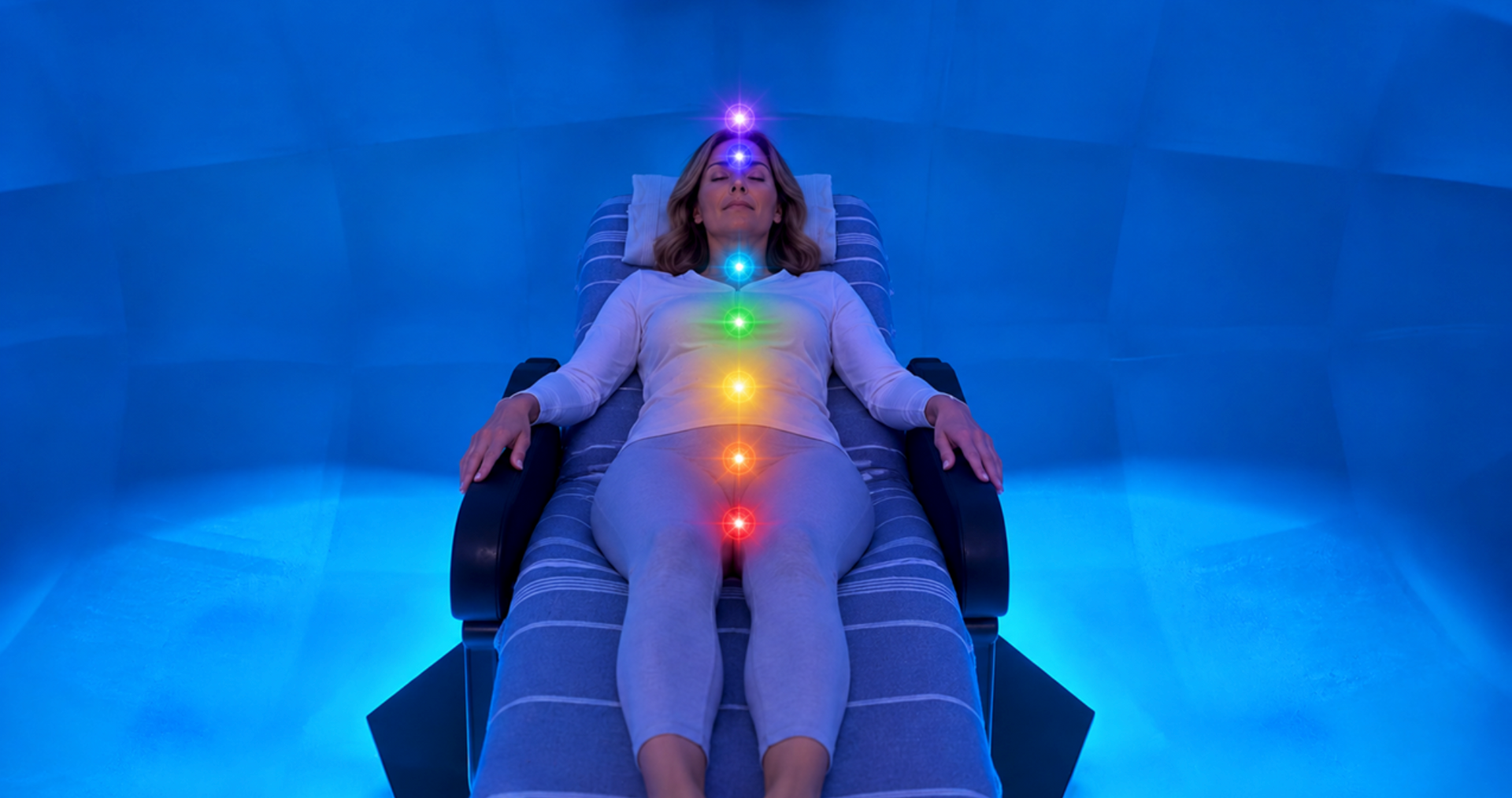
Explore the seven chakras and how the Harmonic Egg uses music and color to support chakra alignment and emotional well-being in Mesa, AZ.

Inflammation affects everyone. For one person, it may show up as digestive discomfort. For another, it may be associated with aching or stiff joints, skin irritation, ongoing pain and even brain fog. Inflammation can affect many different tissues and systems throughout the body—and sometimes the connection isn't immediately obvious. Understanding where inflammation occurs is one piece of the puzzle. It's also important to understand whether you're dealing with an acute, short-term inflammatory response or something more persistent. At Realign Your Life Wellness Center in Mesa AZ , we take a whole-person approach to wellness and offer complementary modalities that can support people who are dealing with inflammation-related discomfort. Our services include Harmonic Egg Sound and Light Therapy , Emotion Code/Body Code , and Life Force Energy with Sound . 1. Inflammation Doesn't Always Look the Same Inflammation is a natural biological response that helps the body respond to injury, infection and irritation. It can occur almost anywhere in the body - including the brain. You may associate inflammation primarily with a swollen ankle or an aching joint, but inflammatory processes can also involve the digestive system, skin, muscles, and nervous system. And because everyone's experience is different, inflammation doesn't necessarily feel the same from one person to another. Some people may experience obvious swelling, redness, warmth, or pain. Others may experience less visible symptoms, such as digestive discomfort or ongoing physical discomfort. That's why the word inflammation can mean very different things depending on the individual. Before looking at the many places inflammation can occur, it's helpful to understand one of the most important distinctions: acute versus chronic inflammation. 2. Acute vs. Chronic Inflammation: What's the Difference?

Discover a holistic approach to digestive wellness using Harmonic Egg, Emotion Code & Body Code.

Learn the most common signs of nervous system overload, how chronic stress affects the body, and natural ways to restore balance and well-being.

Personalized wellness plans lead to better outcomes. Realign Your Life Wellness Center customizes your plan with the Harmonic Egg, Emotion Code, Body Code and more

Discover how emotional healing can transform your relationships, confidence, health, and spiritual growth. Realign Your Life Wellness Center in Mesa, AZ.
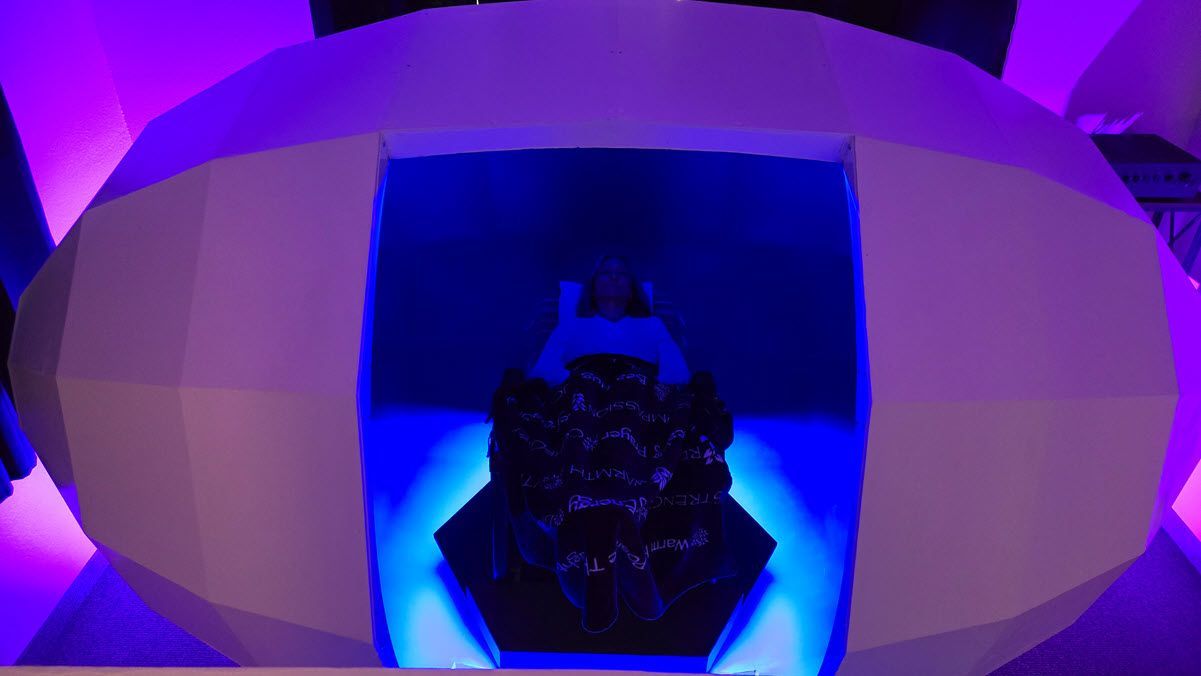
If you've been curious about the Harmonic Egg® but aren't quite sure what happens during a session, you're not alone. Many first-time clients wonder what they'll experience, how they should prepare, and whether they'll feel anything during the session. The good news is that your first visit is designed to be relaxing, comfortable, and personalized to your unique needs. Whether you're looking to reduce stress, support your nervous system, improve emotional well-being, or simply experience deep relaxation, knowing what to expect can help you arrive feeling confident and ready to receive the greatest benefit from your session. Here's everything you need to know before your first Harmonic Egg® experience at Realign Your Life Wellness Center in Mesa, Arizona . What Is the Harmonic Egg® ?
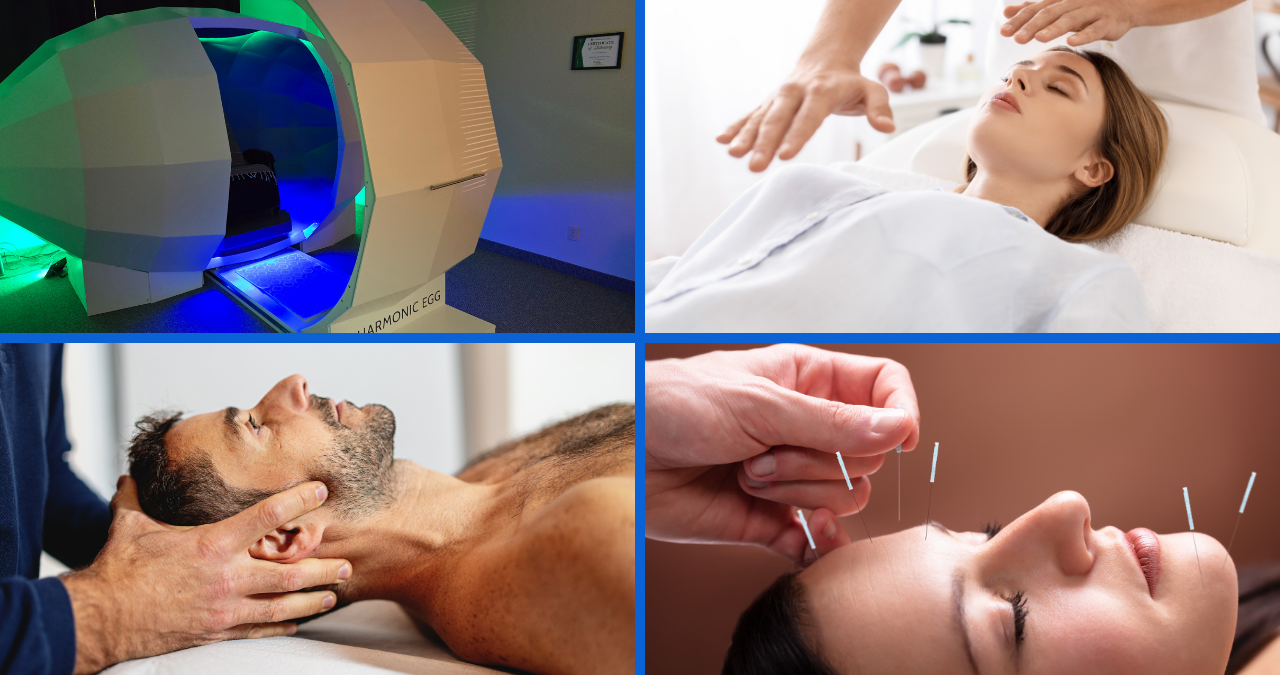
Why people choose the Harmonic Egg over other Energy Healing modalities

Discover how emotional stress and trapped emotions may contribute to physical symptoms. Learn about holistic healing, Emotion Code, Body Code, nervous system regulation, and frequency therapy at Realign Your Life Wellness Center in Mesa, AZ.