
Signs Your Nervous System Is Overloaded: What Your Body May Be Trying to Tell You
In today's fast-paced world, many people are living in a constant state of stress without even realizing it. They push through fatigue, ignore aches and pains, struggle with sleep, and wonder why they never seem to feel fully rested or at ease. What they often don't recognize is that their nervous system may be overloaded.
Your nervous system acts as the command center of your body, constantly gathering information, assessing threats, and determining how your body should respond. When it becomes overwhelmed by chronic stress, unresolved emotions, trauma, environmental factors, or simply the demands of daily life, it can become stuck in a state of survival.
The good news is that your body is always communicating with you. The symptoms you experience may not be random—they may be signals that your nervous system is asking for support.
Let's explore some of the most common signs of nervous system overload and what you can do to restore balance.
Understanding the Nervous System
The autonomic nervous system has two primary branches:
Sympathetic Nervous System: Fight or Flight
This is your body's stress-response system - often referred to as "fight or flight". It prepares you to react to danger by increasing heart rate, blood pressure, muscle tension, and alertness.
Parasympathetic Nervous System: Rest and Restore
This branch promotes healing and recovery - often referred to as "homeostasis". It allows the body to conserve energy and repair itself.
Ideally, your body moves fluidly between these two states depending on what is needed. However, chronic stress can keep the sympathetic nervous system activated for extended periods, creating a state of nervous system overload.

Sign #1: You Feel Constantly Tired but Can't Relax
One of the most common signs of nervous system dysregulation is feeling exhausted while simultaneously feeling unable to rest.
You may experience:
- Physical fatigue
- Mental exhaustion
- Racing thoughts
- Difficulty sitting still
- Feeling "wired but tired"
Many people assume they simply need more sleep. While sleep is important, the deeper issue is often that the body remains on high alert even when there is no immediate threat.
Your nervous system is using tremendous energy to maintain a state of vigilance.
Sign #2: Sleep Problems
An overloaded nervous system often disrupts normal sleep patterns.
Common symptoms include:
- Difficulty falling asleep
- Waking up during the night
- Early morning waking
- Restless sleep
- Vivid dreams
- Feeling unrefreshed after sleeping
When stress hormones remain elevated, the body struggles to shift into the deeper restorative states necessary for healing and recovery.
Over time, poor sleep creates additional stress on the nervous system, creating a cycle that can be difficult to break.
Sign #3: Anxiety and Constant Worry
Anxiety is not always caused by external circumstances. Sometimes it is the result of a nervous system that has become conditioned to scan constantly for danger.
You may notice:
- Excessive worrying
- Feeling on edge
- Difficulty concentrating
- Irritability
- Feeling overwhelmed by minor challenges
- A sense that something bad is about to happen
Even when life appears relatively calm, your body may still be operating as if a threat exists.
Sign #4: Digestive Issues
The digestive system and nervous system are closely connected.
When the body perceives danger, digestion is often placed on the back burner because survival takes priority.
Symptoms may include:
- Bloating
- Indigestion
- Acid reflux
- Constipation
- Diarrhea
- Food sensitivities
- Irritable bowel symptoms
Many people are surprised to learn that digestive issues can be strongly influenced by chronic stress and nervous system dysregulation.
Sign #5: Muscle Tension and Physical Pain
Stress doesn't just affect the mind—it affects the body.
Common physical symptoms include:
- Tight shoulders
- Neck pain
- Jaw clenching
- Headaches
- Back pain
- General muscle tension
When the nervous system remains in a protective state, muscles stay partially contracted and ready for action.
Over time, this can lead to chronic discomfort and pain patterns that seem to have no obvious physical cause.
Sign #6: Increased Sensitivity to Noise, Light, or Crowds
Have you noticed that everyday environments feel more overwhelming than they used to?
Signs may include:
- Sensitivity to bright lights
- Feeling drained in crowded places
- Difficulty tolerating loud noises
- Becoming easily overstimulated
An overloaded nervous system has a lower threshold for processing sensory information. The body is already working hard to manage internal stress, so additional stimulation can feel overwhelming.
Sign #7: Emotional Reactivity
When the nervous system is overwhelmed, emotions can feel bigger and harder to manage.
You may experience:
- Increased frustration
- Mood swings
- Tearfulness
- Emotional numbness
- Feeling easily triggered
This doesn't mean something is wrong with you. It often means your nervous system has less capacity available to regulate emotional experiences.
Think of it as a cup that is already full. Even a small additional stressor can cause it to overflow.
Sign #8: Brain Fog and Difficulty Focusing
An overloaded nervous system can significantly impact cognitive function.
Symptoms may include:
- Forgetfulness
- Difficulty concentrating
- Mental fatigue
- Reduced productivity
- Feeling disconnected or scattered
When survival systems are activated, the brain prioritizes protection over higher-level thinking.
This is why many people notice improvements in clarity, focus, and decision-making when they begin regulating their nervous system.
Sign #9: Frequent Illness or Slow Recovery
Chronic stress can affect immune function.
You may notice:
- Frequent colds
- Recurring infections
- Slower healing
- Increased inflammation
- Persistent fatigue
When the body is constantly diverting resources toward managing stress, fewer resources remain available for repair and immune defense.
Sign #10: You Feel Disconnected from Yourself
Perhaps one of the most overlooked signs of nervous system overload is a feeling of disconnection.
People often describe it as:
- Feeling numb
- Going through the motions
- Lack of joy
- Feeling disconnected from purpose
- Difficulty accessing intuition
This is often a protective response. The nervous system may temporarily reduce emotional awareness when it perceives that life feels overwhelming.
The challenge is that this protection can also block feelings of connection, creativity, and inner peace.
The Emotional Component of Nervous System Overload
While external stressors certainly play a role, unresolved emotions can also contribute significantly to nervous system dysregulation.
Experiences such as:
- Childhood stress
- Relationship challenges
- Grief and loss
- Trauma
- Chronic worry
- Self-criticism
can create patterns that keep the body operating in a state of protection long after the original event has passed.
Many people find that addressing the emotional roots of stress helps create lasting changes in how their nervous system functions.
This is one reason why modalities such as Emotion Code®, Body Code®, Belief Code®, meditation, breathwork, sound healing, and other holistic approaches are becoming increasingly popular for supporting nervous system health.
How Sound and Light Therapy Can Help Support Nervous System Regulation
The nervous system responds to sensory input, including sound and light.
Creating an environment that encourages relaxation may help the body shift from a stress response into a restorative state.
Many individuals report benefits such as:
- Deep relaxation
- Reduced stress
- Improved sleep
- Greater mental clarity
- Enhanced emotional well-being
- Improved sense of balance
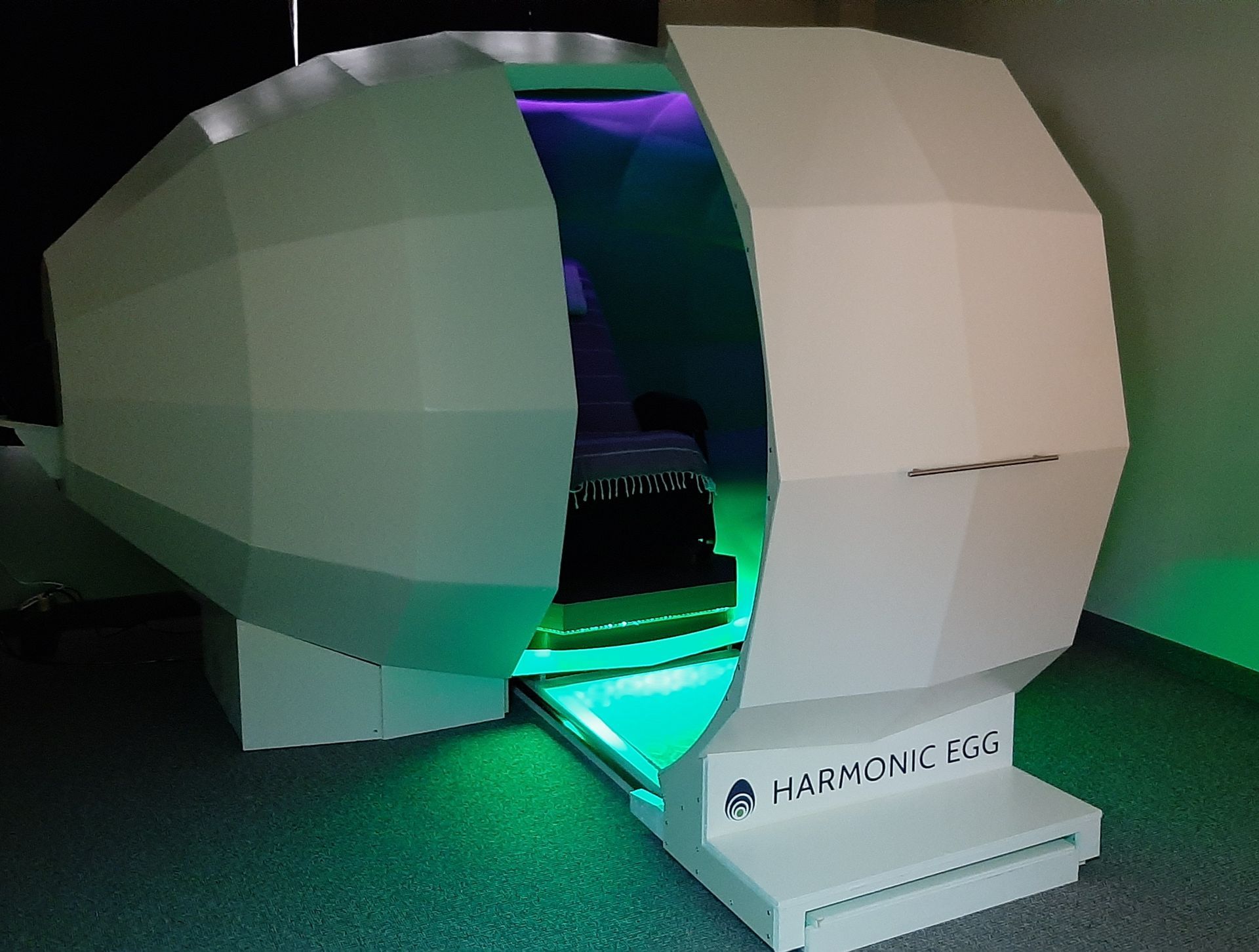
At Realign Your Life Wellness Center, many clients use Harmonic Egg® sessions as part of their wellness journey to create a supportive environment for relaxation, nervous system regulation, and emotional well-being.
When combined with emotional clearing work such as Emotion Code®, Body Code®, and Belief Code®, individuals often find they are better able to identify and release patterns that may be contributing to chronic stress.
Simple Ways to Support Your Nervous System
While healing takes time, there are simple practices that can help support regulation:
Prioritize Sleep
Create a consistent sleep schedule and reduce screen time before bed.
Practice Conscious Breathing
Slow, intentional breathing signals safety to the nervous system.
Spend Time in Nature
Natural environments help reduce stress and promote relaxation.
Reduce Overstimulation
Build quiet moments into your day and limit unnecessary sensory overload.
Address Emotional Stress
Journaling, coaching, energy work, and emotional release techniques may help uncover deeper contributors to chronic stress.
Create Time for Rest
Rest is not a luxury—it is a biological necessity.
Harmonic Egg Sessions
People all over the world are keeping their nervous system balanced with consistent Harmonic Egg sessions.

Final Thoughts
Your body is incredibly intelligent. The symptoms you experience may not be signs that your body is failing you—they may be signs that it is trying to communicate with you.
Persistent fatigue, anxiety, sleep disturbances, digestive issues, emotional overwhelm, and brain fog can all be indicators that your nervous system needs support.
The sooner you recognize these signals, the sooner you can begin creating the conditions that allow your body to move out of survival mode and into a state of healing, resilience, and balance.
If you've been feeling stuck, overwhelmed, or disconnected, it may be worth asking yourself a simple question:
Is my nervous system asking for help?