
Survival Mode: Understanding the Reticular Activating System

"I know I should relax... so why can't I?"
Many people come to Realign Your Life Wellness Center in Mesa AZ feeling exhausted, overwhelmed, anxious, or emotionally drained. They have trouble sleeping, can't seem to "turn off" their thoughts, and often feel like they're always waiting for the next problem to appear.
Sometimes these feelings develop after a major life event. But most of the time, they've built up over months or even years of juggling responsibilities, unresolved emotional experiences, or ongoing stress.
If this sounds familiar, you're not alone—and there may be a biological reason why your body seems to stay on high alert.
One important piece of that puzzle is a remarkable network in your brain called the Reticular Activating System (RAS).
While many people have never heard of it, the RAS plays a vital role in determining what you notice, how alert you feel, and whether your nervous system leans toward protection or relaxation.
Understanding how this system works can help explain why chronic stress is so difficult to "just get over"—and why creating experiences of safety is such an important part of supporting overall wellness.
What Is The Reticular Activating System?
Imagine that your brain has a personal assistant. Every second of every day, your eyes, ears, skin, muscles, and internal organs send your brain an enormous amount of information. In fact, your nervous system receives far more sensory input than your conscious mind could ever process.
If your brain tried to pay attention to everything at once, you'd become overwhelmed almost instantly. That's where the Reticular Activating System comes in.
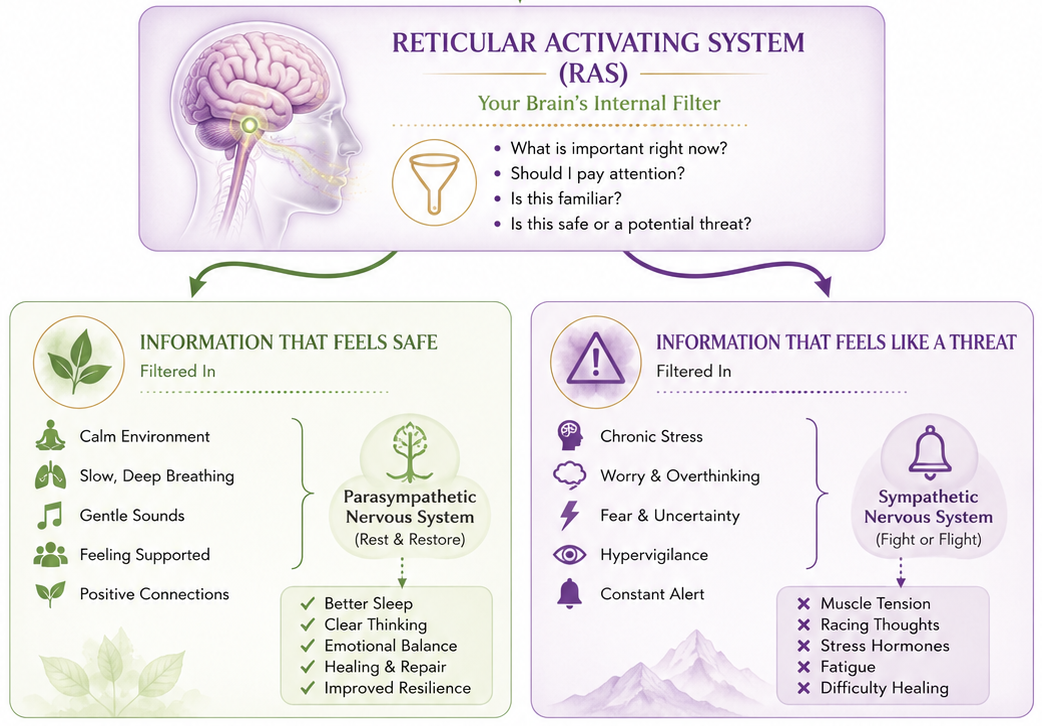
Located within the brainstem, the RAS acts as one of the brain's primary filtering systems. It continuously sorts incoming information and decides what deserves your conscious attention and what can safely remain in the background. Think of it as the gatekeeper for your awareness.
Without realizing it, your RAS is constantly asking questions such as:
- Is this important?
- Is this familiar?
- Is this something I need to respond to?
Does this signal safety—or potential danger?
The answers to those questions influence what you notice, what you ignore, and how your body prepares to respond.
Your Brain Is Always Filtering
Have you ever bought a new car and suddenly noticed the same model everywhere? Or heard someone say your name across a crowded restaurant while tuning out dozens of other conversations?
Those experiences aren't coincidences. Your Reticular Activating System has simply decided that those pieces of information are important, so it brings them into your conscious awareness. The same filtering process happens with emotions.
If your brain has learned that the world is generally safe, it tends to notice opportunities, connection, and moments of peace. But if your brain has been shaped by prolonged stress, loss, trauma, or uncertainty, it may become especially sensitive to anything that could represent a potential threat.
This isn't a personal weakness - it's one of the brain's remarkable survival mechanisms.
When Survival Mode Becomes the Default
Our brains evolved to protect us. If our ancestors ignored danger, they wouldn't survive very long.
As a result, the human brain naturally gives more attention to potential threats than pleasant experiences. Neuroscientists sometimes refer to this tendency as the negativity bias. In short bursts, this system works beautifully.
- Your hear rate increases
- Your senses sharpen
- Your muscles prepare for action
- Stress hormones help you respond quickly
Once the danger has passed, your nervous system is designed to settle back into balance. The problem is that today's "threats" often don't disappear after a few minutes. Over time, your brain can begin treating everyday life as though it's one continuous emergency.
- Financial Concerns
- Relationship difficulties
- Workplace pressure
- Health worries
- Constant notifications
- Unresolved emotional pain
- Months, or years, of chronic stress
Instead of asking, "Am I safe?" It starts asking, "What could go wrong next?" When that happens, many people experience symptoms such as:
- Difficulty Relaxing
- Poor sleep
- Racing thoughts
- Feeling constantly "on edge"
- Increased irritability
- Trouble concentrating
- Emotional exhaustion
- Feeling overwhelmed by small problems
These symptoms can have many different causes, and they don't necessarily mean something is wrong with your Reticular Activating System. However, they are common signs that your nervous system may be spending more time in a state of heightened alertness than it was designed for.
Your Brain Can Learn Safety, Too
Here's the encouraging news. The same brain that learns patterns of stress can also learn patterns of safety. This ability is known as neuroplasticity—the brain's remarkable capacity to adapt and reorganize throughout life.
Every repeated experience strengthens certain neural pathways. The more often your brain experiences calm, connection, predictability, and relaxation, the more familiar those states can become. Think of it like walking through a grassy field. The first time you walk across it, there's no visible path. Walk the same route every day, and eventually a trail begins to form.
Your brain works in much the same way. Repeated experiences create familiar pathways. That's why nervous system regulation isn't usually about finding one magical solution. It's about creating consistent experiences that gently teach your brain, "You are safe."
More Than Just Thoughts: The Emotional Side of Stress
When people think about stress, they often focus on what's happening around them.
- Deadlines
- Family responsibilities
- Unexpected life changes
But another important part of the picture is what we're carrying within us. Past emotional experiences, unresolved grief, disappointment, fear, shame, guilt, and limiting beliefs can influence how we perceive present-day situations.
Two people can experience the exact same event and have completely different emotional responses. Why? Because each person's brain is interpreting that experience through a lifetime of memories, beliefs, and learned patterns.
This doesn't mean our emotions are "all in our head." It means the brain, nervous system, and emotional experiences are deeply interconnected.
The Brain-Body-Energy Connection
At Realign Your Life Wellness Center in Mesa AZ, we believe wellness is most effective when we consider the whole person. Rather than looking only at physical symptoms, we also explore how emotional well-being, mindset, and nervous system regulation may influence overall health.
You can think of wellness as three interconnected systems:
The Brain
Your brain filters information and determines what deserves your attention.
The Nervous System
Your nervous system decides how your body responds to what your brain perceives.
Your Emotional Landscape
Your past experiences, beliefs, and emotional patterns influence how your brain interprets the world around you.
These systems continuously influence one another. When one becomes chronically overwhelmed, the others often feel the effects as well.
Supporting wellness may involve caring for each of these areas—not because one single approach solves everything, but because each contributes to the whole picture.
Breaking the Cycle: Understanding the "Safety Loop"
Imagine your brain, nervous system, emotions, and beliefs as members of the same team. Each one is constantly communicating with the others.
When life is filled with chronic stress or unresolved emotional experiences, it's easy to become caught in what is called the Safety Loop. It might look something like this:
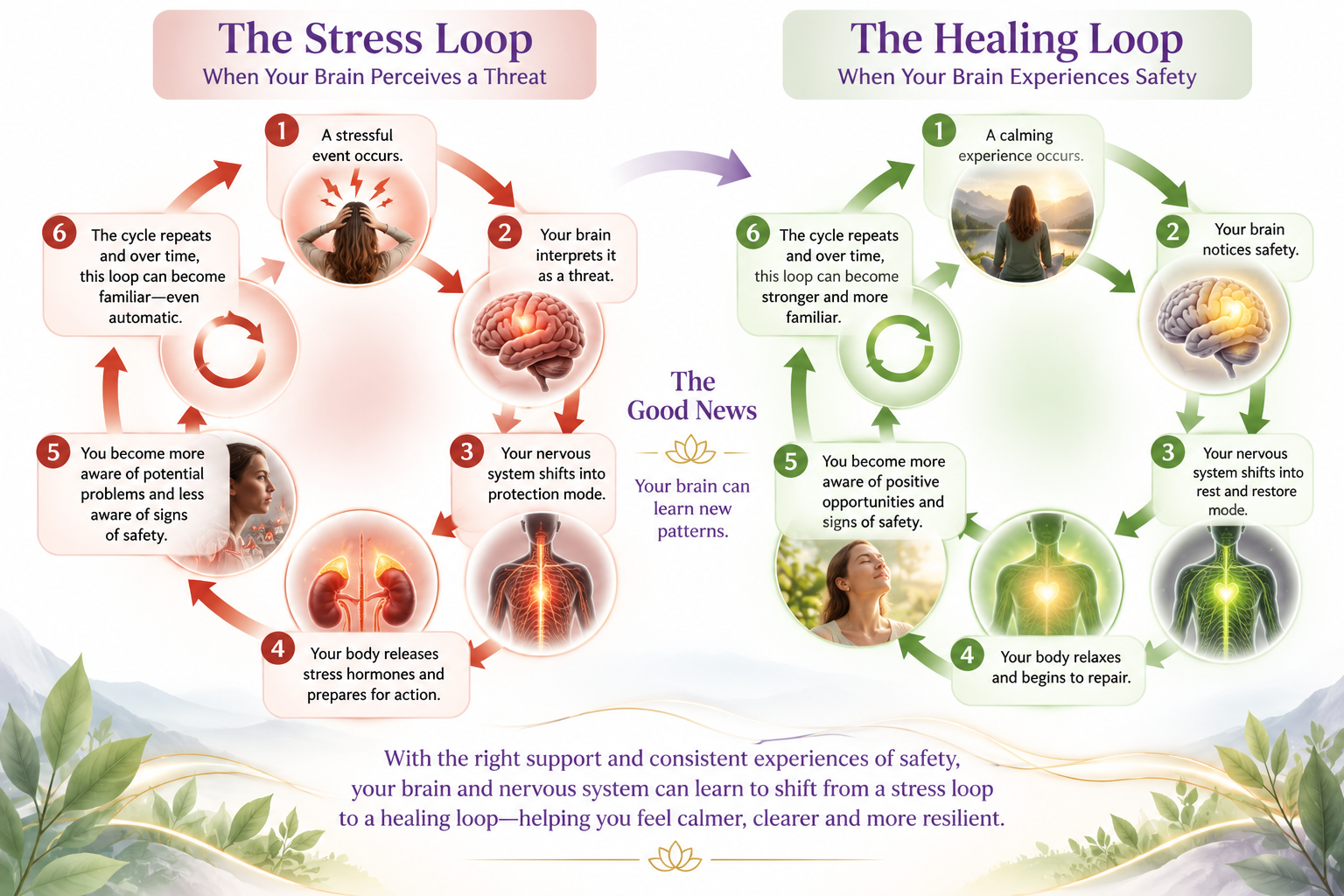
When your brain experiences moments of safety, calm, and regulation, your nervous system responds differently. You may begin sleeping more deeply. Your breathing naturally slows. Your muscles soften. Your thoughts become clearer. You feel more emotionally resilient. These experiences reinforce one another, gradually teaching the brain that it doesn't have to remain on constant alert
This doesn't happen overnight. Like learning any new skill, nervous system regulation develops through repeated experiences over time.
Supporting Your Nervous System Naturally
There isn't one single practice that supports everyone's nervous system. Most people benefit from a combination of healthy lifestyle habits and restorative experiences.
Research suggests that many of the following practices can support nervous system regulation:
- Slow, intentional breathing
- Regular physical activity
- Spending time in nature
- Mindfulness and meditation
- Meaningful social connection
- Listening to calming music
- Reducing unnecessary sensory overload
- Practicing gratitude
Each of these experiences sends information to your brain about the environment you're in. Over time, consistent healthy habits can reinforce patterns associated with resilience and recovery.
Creating an Environment That Encourages Relaxation
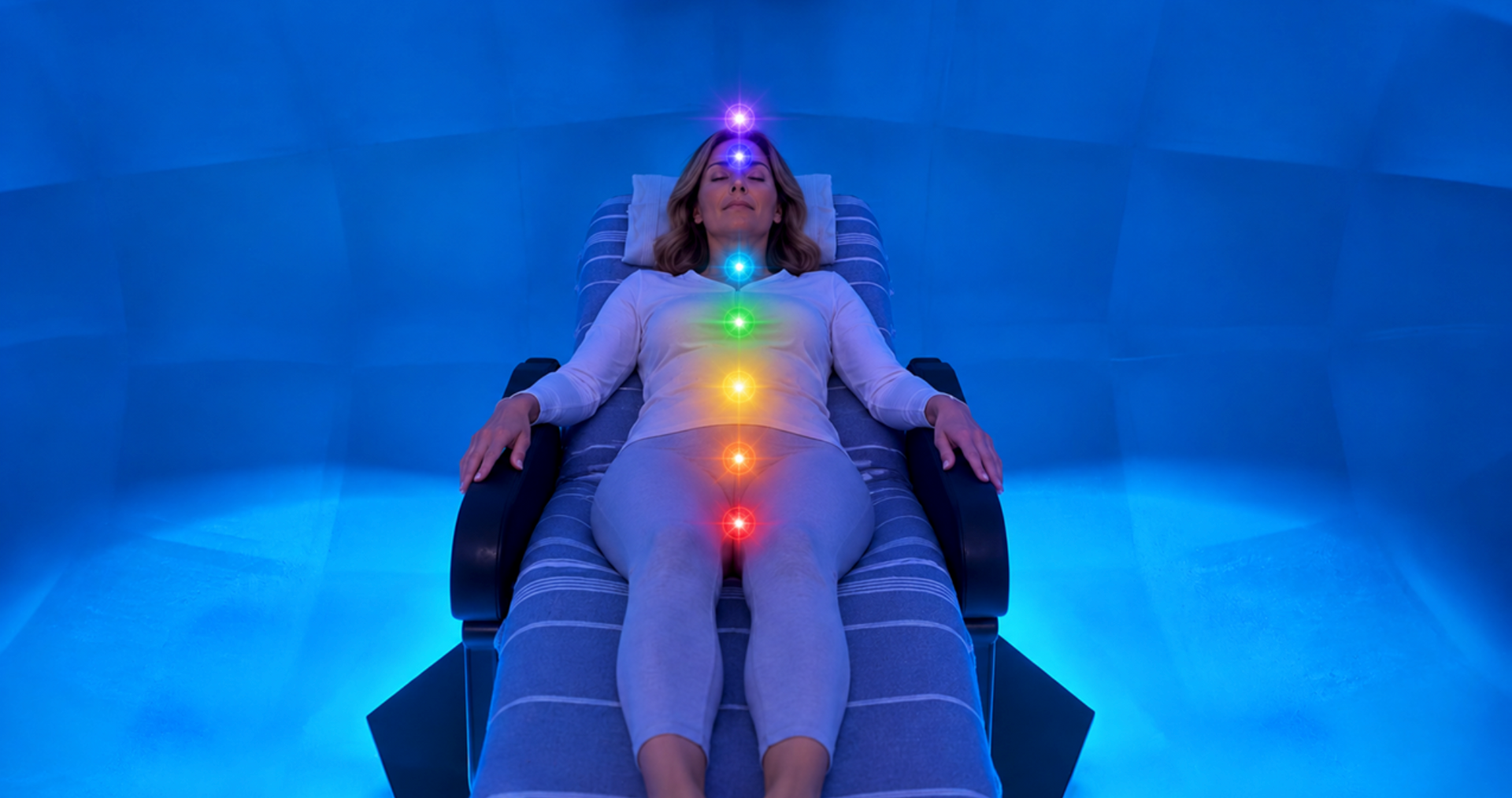
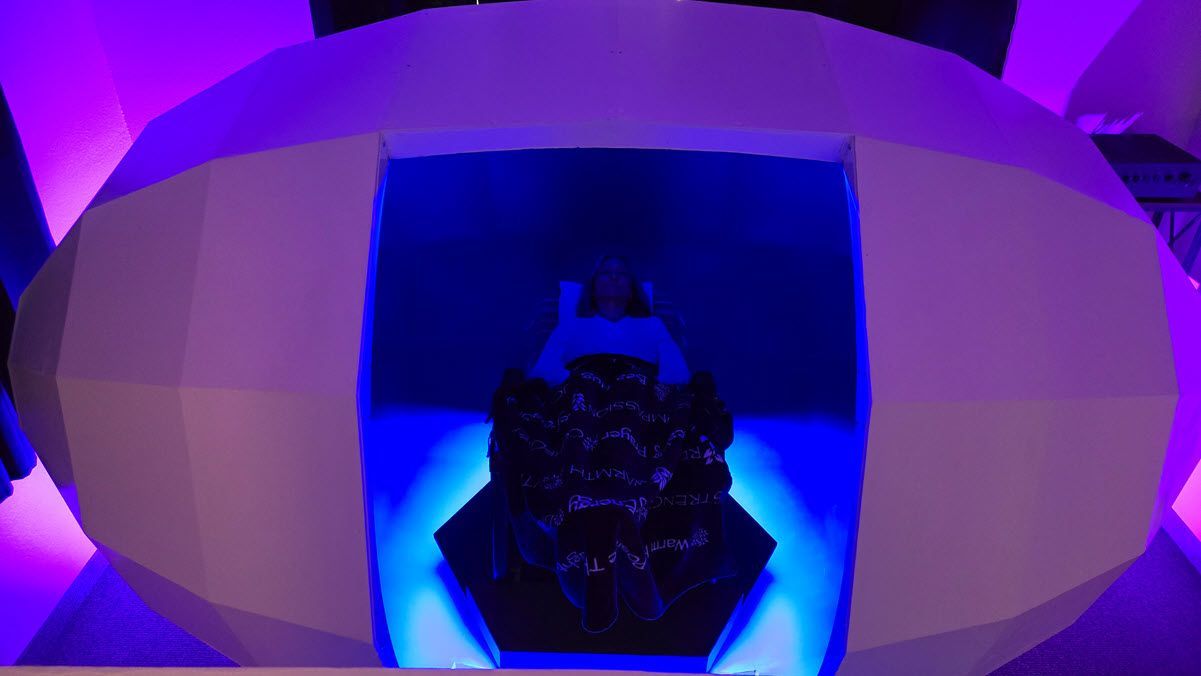
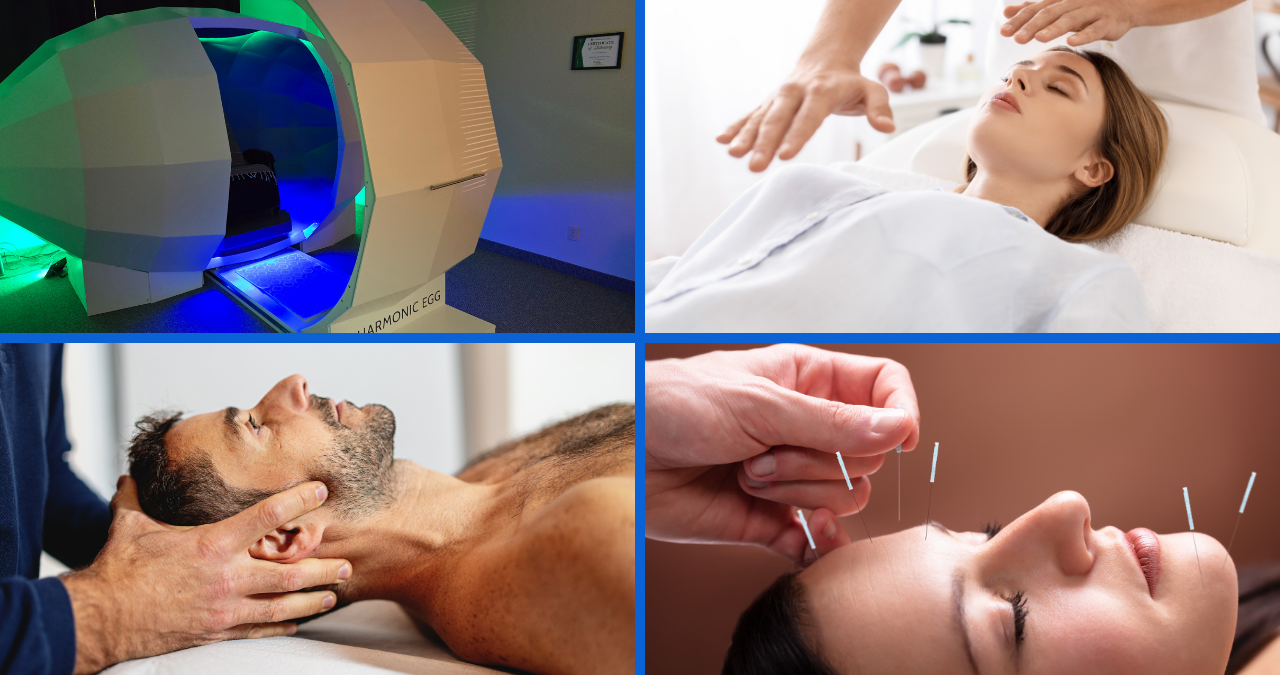
At Realign Your Life Wellness Center, one of the ways we support clients is through the Harmonic Egg®, an immersive wellness experience that combines relaxing music, color, and a comfortable environment designed to encourage deep relaxation
.
Many clients describe feeling a profound sense of peace during their sessions. Others notice that their minds become quieter, or they experience a sense of mental clarity afterward.
From a neuroscience perspective, calm, rhythmic sensory experiences can help support the nervous system by reducing sensory overload and encouraging relaxation. The Harmonic Egg® creates a predictable, soothing environment that can bring the Autonomic Nervous System into balance.
The Role of Emotion Code®, Body Code™ and Belief Code®
Our emotional experiences don't simply disappear because time has passed. Many people find that unresolved grief, fear, anger, disappointment, or limiting beliefs continue to influence how they respond to life's challenges.
At Realign Your Life Wellness Center, we offer Emotion Code®, Body Code™, and Belief Code™ sessions, which are designed to help clients identify and release unresolved emotional baggage and limiting belief patterns.
When emotional burdens begin to lift, people often notice changes that extend beyond their emotions. They may find it easier to relax, respond more thoughtfully instead of reacting automatically, and experience a greater sense of peace.
From a whole-person wellness perspective, reducing emotional stress may support healthier nervous system function by decreasing one source of ongoing internal stress.
Why Beliefs Matter
One of the most fascinating discoveries in neuroscience is that the brain is constantly making predictions about the future based on past experiences. If someone has repeatedly experienced rejection, failure, or fear, their brain may begin expecting those experiences to happen again. Those expectations influence what the Reticular Activating System notices.
For example, someone who believes:
"Nothing ever works out for me"
…may unintentionally notice evidence that confirms that belief.
As people develop healthier perspectives and release limiting beliefs, they often begin noticing new opportunities, healthier relationships, and positive experiences that were always present—but previously filtered into the background. This can be accomplished by working with a Certified Belief Code Practitioner such as Jean Hanson - Co-founder of Realign Your Life Wellness Center.
Wellness Is About Creating the Right Conditions
Think about the analogy of gardening. A gardener doesn't force a seed to grow. Instead, they create the right conditions:
Healthy soil
- Water
- Sunlight
- Protection
- Time
The human body works in much the same way.
No wellness modality or practitioner can force healing to occur. What we can do is help create conditions that support the body's remarkable ability to regulate, adapt, and restore balance.
So whether someone chooses a Harmonic Egg session, Emotion Code®, Body Code™, Belief Code™, Life Force Energy with Sound or a Sound Bath our goal is always the same: To help create an environment where the brain, body, and spirit can move toward greater balance.
Your Brain Is Designed for More Than Survival
If you've spent months—or even years—feeling like you're constantly "on," it's easy to believe that's simply who you are. But your current patterns don't have to define your future.
- Your brain was designed to adapt.
- Your nervous system was designed to recover.
- Your body was designed to seek balance.
Sometimes it simply needs the opportunity, support, and consistency to remember how.
At Realign Your Life Wellness Center, we're passionate about helping people understand the connection between the brain, the nervous system, emotions, beliefs, and overall well-being.
Whether you're exploring ways to reduce stress, process emotional challenges, or simply reconnect with a greater sense of peace, remember this:
Healing isn't about becoming someone new. It's about removing the barriers that keep you from becoming who you were created to be.
Ready to Support Your Nervous System?
If you're curious about how our wellness services may complement your journey toward greater balance, we'd love to meet you.
Contact Realign Your Life Wellness Center to learn more about the Harmonic Egg, Emotion Code®, Body Code™, Belief Code™, Life Force Energy with Sound, and our other wellness offerings. Together, we'll help you discover an approach that's tailored to your unique goals and supports your path toward living a more balanced, vibrant life.